6 Must-Follow Safety Rules Every Jobsite Needs
Introduction A construction site is one of the most dynamic and high-risk workplaces. Without strict safety measures, even minor oversights can lead to major accidents,...


Safety isn’t an add-on — it’s the foundation of every successful construction project. The following five practices cover the highest-impact actions site teams, supervisors, and owners can take to prevent incidents, protect people, and keep work on schedule. Each practice includes clear guidance you can apply immediately.
Planning for safety starts before the first shovel hits the ground and continues every morning on site. At the project outset, integrate a site-specific safety plan into your construction programme: identify major hazards (working at height, excavation, heavy lifting, traffic), define exclusion zones, map emergency access, and assign responsibility for daily safety oversight. Good planning also allocates time and budget for safety measures fall protection systems, scaffolding inspections, PPE, and qualified safety supervision so safety never competes with progress. finishes, materials). The clearer the scope, the more accurate your budget will be.
Daily pre-task briefs (toolbox talks) translate high-level planning into the day’s reality. These short gatherings align crews on the day’s hazards, planned controls, and emergency procedures; they are also the moment to surface concerns from workers who know the work best. Consistent planning plus daily communication significantly reduces complacency and keeps everyone focused on the same safety goals.
Before diving into budgets, evaluate whether your project is feasible. A feasibility study assesses site conditions, regulatory requirements, and market factors. It answers crucial questions: Is the land suitable? What are the zoning restrictions? How will utilities be managed? This step ensures your budget isn’t wasted on a plan that can’t be built. By understanding external factors upfront, you save time, money, and avoid painful redesigns later.
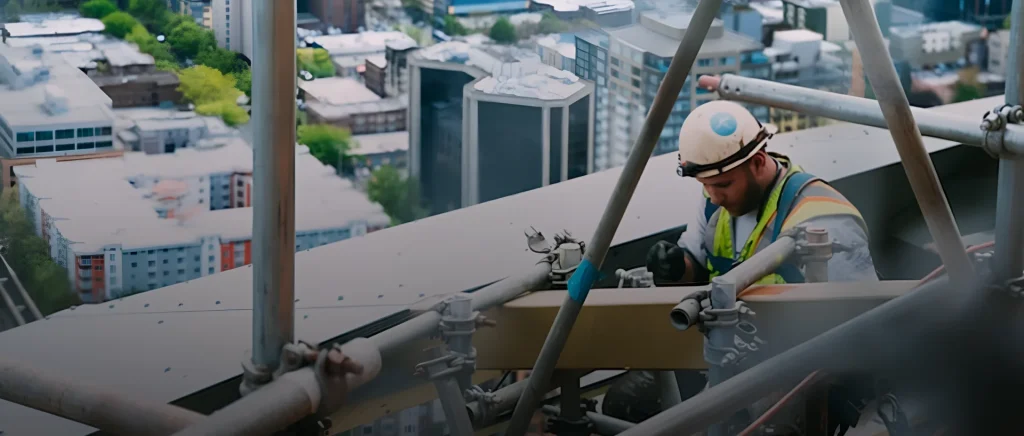
PPE is the last line of defence — not a substitute for engineered controls — but when used correctly it saves lives. Make PPE mandatory where required (hard hats, hi-vis, gloves, safety boots, eye and hearing protection, harnesses for work at height) and ensure correct fit, maintenance, and replacement cycles. A checklist approach at site entry helps: verify PPE, required permits, and worker qualifications before allowing access to the site.
Competency goes hand in hand with PPE. Only let workers perform tasks they’re trained and certified for (e.g., operating cranes, using explosives, confined-space entry). Provide refreshers and hands-on training for new equipment or unusual tasks. Finally, empower supervisors to stop work whenever PPE or competency gaps are identified a culture that allows pausing work for safety is a culture that prevents incidents.
“Safety doesn’t happen by accident — it’s the result of careful planning, constant awareness, and a shared commitment from every person on site.”
A tidy site is a safer site. Implement structured housekeeping routines to remove debris, manage waste routes, and segregate storage areas for materials and plant. Proper signage, barricading of open edges, and clear pedestrian routes reduce trip hazards and near-misses. Lighting, drainage, and temporary access (ramps, stairways) should be planned and maintained so work continues safely after dusk or in bad weather.
Safe logistics also includes vehicle and plant management: designate delivery points, separate vehicle and pedestrian flows, set speed limits, and use banksmen for reversing. Regular maintenance of plant and prompt repair of damaged equipment prevent mechanical failures that could cause injuries. Finally, document housekeeping and equipment checks so trends can be identified and corrected before they lead to incidents.


Implementing these five safety practices — planning, PPE & competency, controlling high-risk activities, disciplined housekeeping, and emergency preparedness — creates a layered defense that drastically reduces incidents. Start by auditing your current procedures against these five areas, fix the most critical gaps first, and embed continuous improvement through training, inspections, and honest reporting. Safety isn’t a one-time checklist; it’s a daily habit that protects people and the project alike.
We’d love to hear your thoughts! Share your feedback, ideas, or questions below — your comment helps keep the conversation going.
Introduction A construction site is one of the most dynamic and high-risk workplaces. Without strict safety measures, even minor oversights can lead to major accidents,...
Comments (03)
Michael Trent
- 12 Mar, 2024 10:22am
Orion Construction’s insights are spot on. Budget planning was the hardest part of my own this level of guidance earlier. The breakdown of cost categories, plus the importance of contingency planning, is something most people overlook.
Luca Bianchi
- 19 Mar, 2024 12:30am
Hi Michael — thanks so much! We’re glad the breakdown helped. If you’d like, we can walk you through a personalized budget plan for your next project — just send us a message.
Saro Philipson
- 16 Mar, 2024 3:45pm
Excellent breakdown and very readable. The section about engaging professionals early on really stood out for me. I hired an architect late in the process and it ended up costing more time and money. If I had read this blog earlier, I would’ve handled the project phases differently. It’s a fantastic resource, especially for homeowners and small business owners starting their first build.
Lina Kowalski
- 24 Mar, 2024 11:08am
I’m currently in the planning phase of a school renovation project, and this blog post gave me so much clarity. I’ve been overwhelmed by how many moving parts are involved, especially when budgeting across departments. The suggestion to break costs into smaller categories and revisit them often is extremely useful.