Tips for Updating and Preserving Old Structures
Old structures are more than just bricks and mortar — they are living records of history, culture, and craftsmanship. Whether it’s a century-old heritage house,...

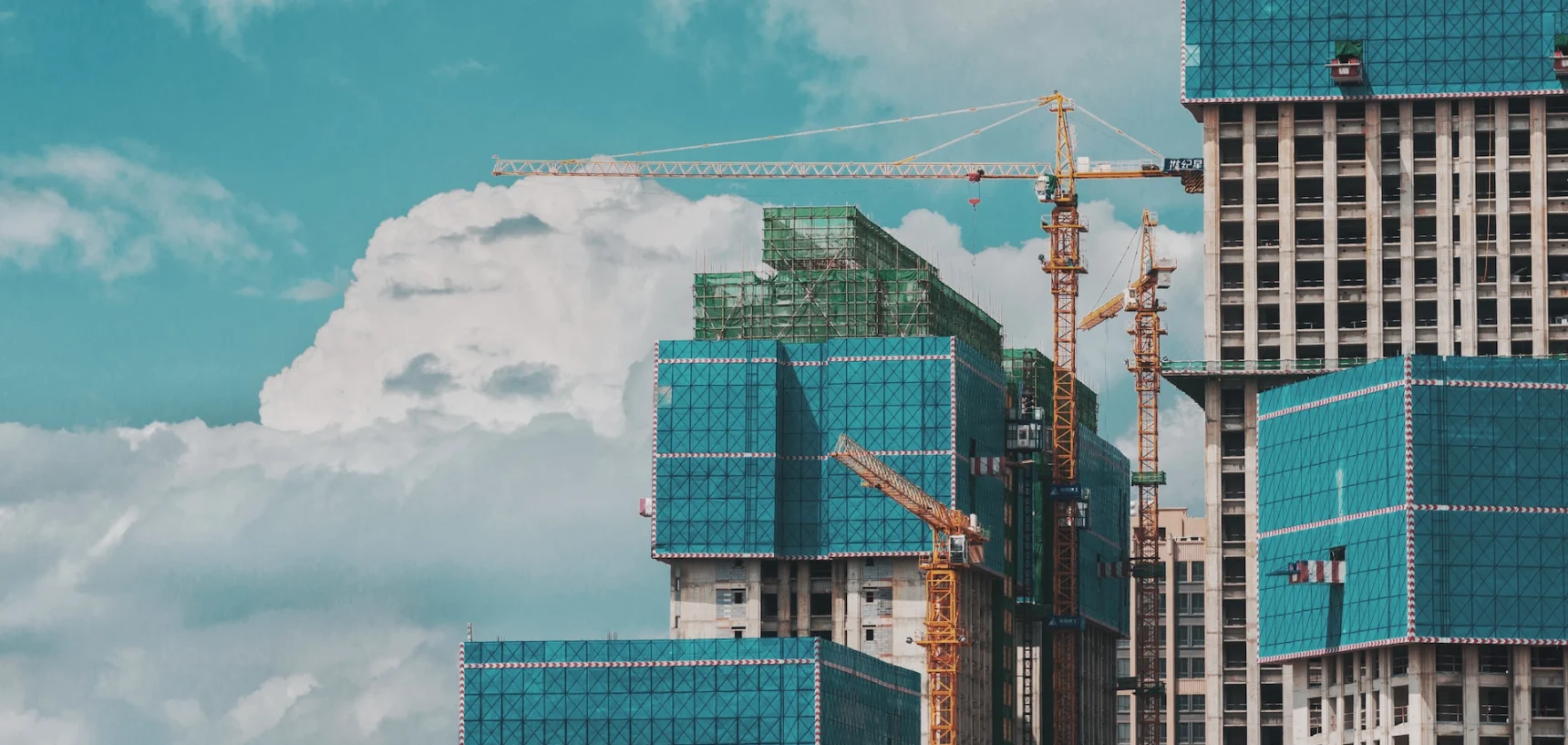
Construction sites are fast-paced, complex environments where multiple teams, heavy machinery, and critical deadlines come together. With so much activity, risks are an unavoidable part of the process. From small accidents to large-scale hazards, even a minor oversight can lead to injuries, delays, or serious financial losses.
A proactive approach to managing risks not only protects workers but also ensures smoother workflows and long-term cost savings. In today’s competitive construction industry, a strong safety culture isn’t just a legal requirement it’s a mark of professionalism, responsibility, leadership.
Every successful risk management plan begins with identifying hazards. Construction sites are filled with potential dangers such as unprotected edges, moving vehicles, deep excavations, falling materials, and harsh environmental conditions. Each of these risks must be carefully assessed before work begins.
Managers should carry out detailed inspections at different stages of the project. What may seem safe at the foundation stage could become hazardous when multiple floors are added or when electrical work starts. A written hazard log ensures that no risk is overlooked and helps track corrective measures taken over time.
Training equips workers to recognize and respond to risks before they turn into accidents. Some essential practices include:
Personal Protective Equipment (PPE) is one of the simplest yet most effective defenses against construction site risks. Helmets, gloves, boots, goggles, and reflective jackets shield workers from everyday hazards like falling tools, chemical splashes, and sharp materials.
For high-risk tasks such as welding, demolition, or working at heights, specialized gear like harnesses, respirators, and ear protection is critical. However, PPE is only effective when workers are trained to use it properly and wear it consistently. Enforcing strict PPE policies not only saves lives but also sets a professional standard across the jobsite.
Construction sites rely heavily on machinery, and equipment-related accidents can be deadly if not managed properly. To reduce risks:
Proper handling of machines not only prevents injuries but also extends the equipment’s lifespan, saving costs over time.
Falls remain the leading cause of construction fatalities worldwide. Whether it’s scaffolding, ladders, or rooftops, working at heights requires strict safety measures. Guardrails, harnesses, safety nets, and properly secured ladders are non-negotiable for protecting workers.
Daily inspections are equally important. Equipment that was safe yesterday may be weakened today due to weather or continuous use. Workers must also receive thorough training in height safety techniques, since improper harness usage can be as dangerous as not wearing one at all. A disciplined approach ensures that work at heights does not turn into life-threatening risks.
Many construction projects involve chemicals, paints, adhesives, or other hazardous materials. Mishandling them can result in severe injuries, poisoning, or fire hazards. Best practices include:
Following these measures ensures both worker safety and environmental protection.
“Safety on construction sites is not just about preventing accidents; it’s about building a culture where every worker returns home safely each day.”
No matter how well risks are managed, construction sites must always be ready for emergencies. Fires, medical incidents, or structural collapses can strike without warning. A clear and practiced emergency response plan can mean the difference between chaos and controlled safety.
Sites should have fire extinguishers, alarms, first-aid kits, and trained emergency responders available at all times. Regular evacuation drills train workers to respond calmly and quickly, minimizing panic during real emergencies. By preparing for the unexpected, construction managers create confidence and trust among the workforce.
Risk management is not a one-time effort but a constant cycle. Ongoing monitoring ensures hazards are controlled effectively. This includes:
With continuous monitoring, risks are addressed before they escalate, making sites safer and more efficient.FF
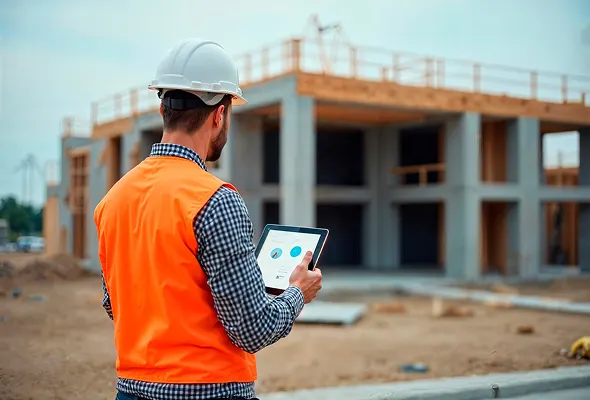

Managing construction site risks is about creating a balance between productivity and protection. From hazard identification to continuous monitoring, every step plays a crucial role in reducing accidents and ensuring smooth operations.
When risks are managed effectively, workers feel safe, morale improves, and projects are completed on time without costly interruptions. Safety is not just about compliance — it’s an investment in efficiency, trust, and the long-term success of every construction project.
We’d love to hear your thoughts! Share your feedback, ideas, or questions below — your comment helps keep the conversation going.
Old structures are more than just bricks and mortar — they are living records of history, culture, and craftsmanship. Whether it’s a century-old heritage house,...
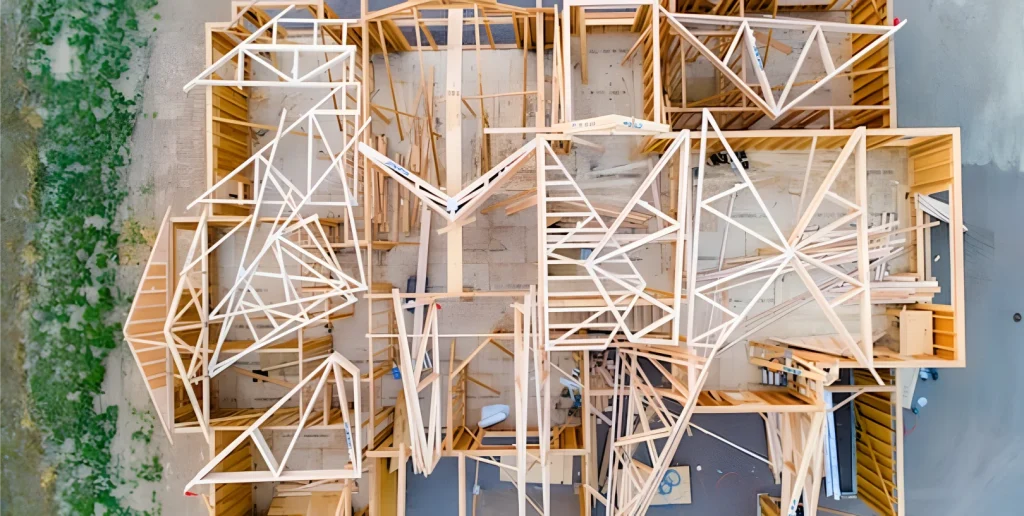
In the fast-paced world of construction, modular building is rapidly emerging as one of the most transformative approaches. Unlike traditional construction, which requires every stage...
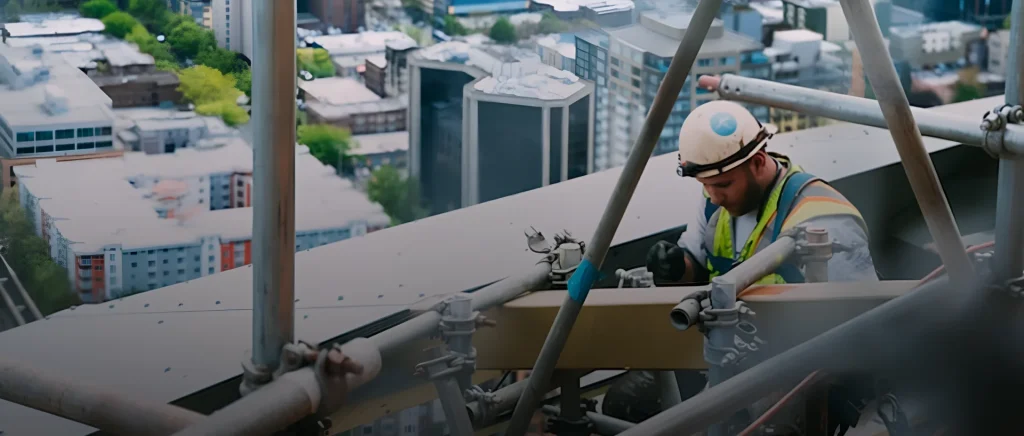
Introduction A construction site is one of the most dynamic and high-risk workplaces. Without strict safety measures, even minor oversights can lead to major accidents,...
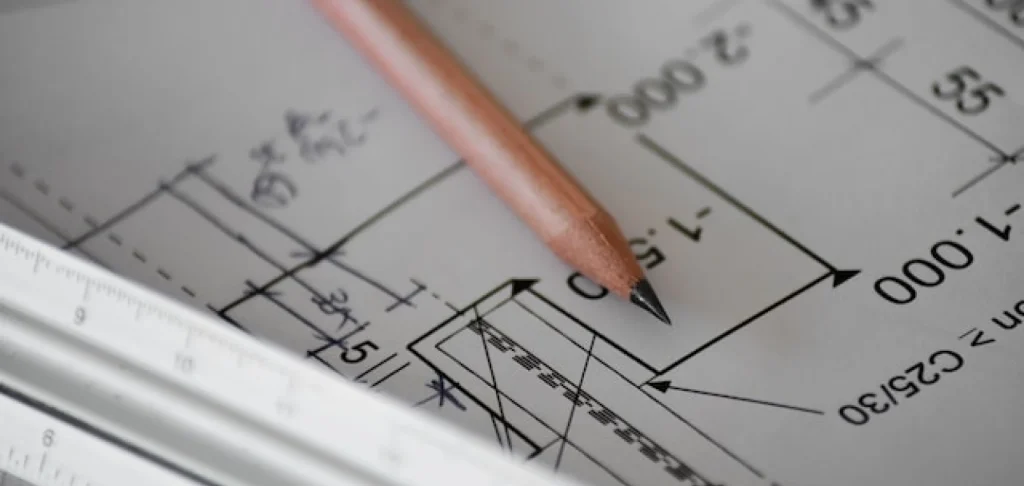
On-site productivity is the single biggest lever to reduce cost, shorten schedules, and improve quality on construction projects. Small daily improvements — clearer briefings, better...
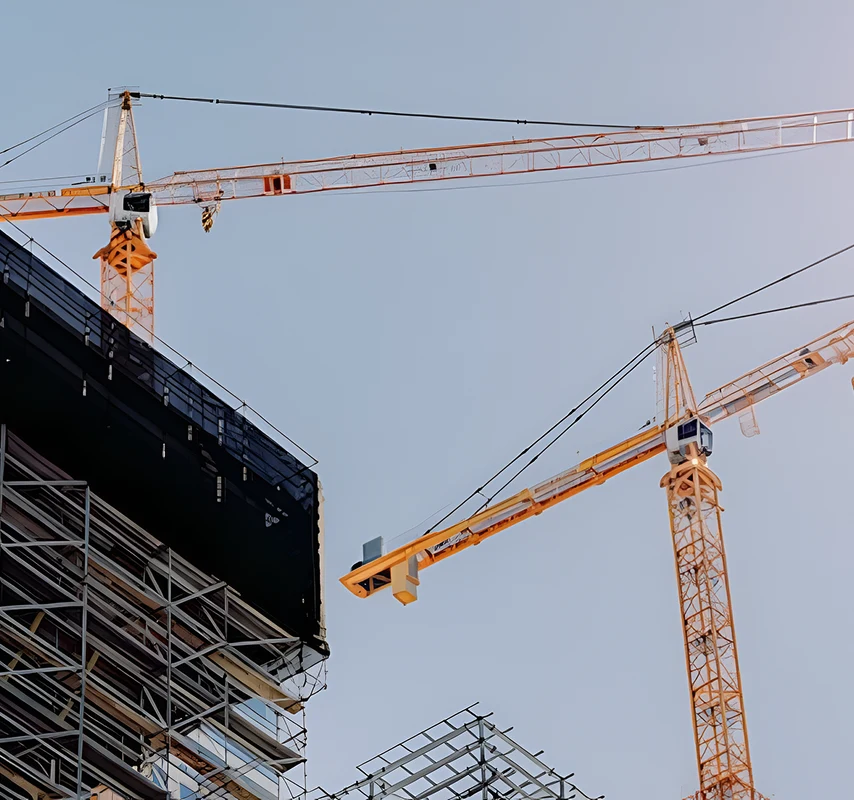
Every successful building project begins long before construction starts. Smart planning helps avoid delays, control costs, reduce risks, and deliver lasting value. By combining structured...
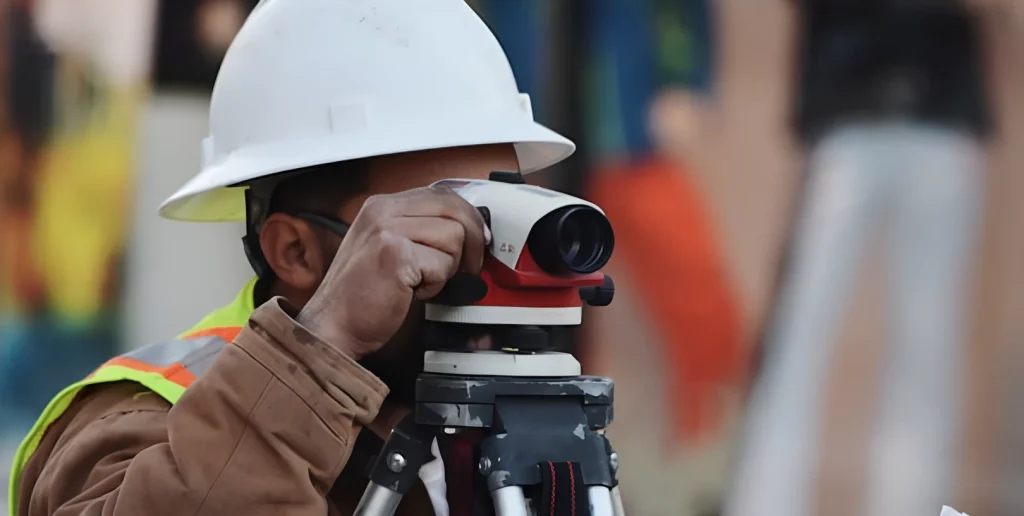
The construction industry is changing fast — driven by decarbonisation targets, digital tools, new delivery models and the need for resilience. Below are 8 high-impact...
Comments (03)
Michael Trent
- 12 Mar, 2024 10:22am
Orion Construction’s insights are spot on. Budget planning was the hardest part of my own this level of guidance earlier. The breakdown of cost categories, plus the importance of contingency planning, is something most people overlook.
Luca Bianchi
- 19 Mar, 2024 12:30am
Hi Michael — thanks so much! We’re glad the breakdown helped. If you’d like, we can walk you through a personalized budget plan for your next project — just send us a message.
Saro Philipson
- 16 Mar, 2024 3:45pm
Excellent breakdown and very readable. The section about engaging professionals early on really stood out for me. I hired an architect late in the process and it ended up costing more time and money. If I had read this blog earlier, I would’ve handled the project phases differently. It’s a fantastic resource, especially for homeowners and small business owners starting their first build.
Lina Kowalski
- 24 Mar, 2024 11:08am
I’m currently in the planning phase of a school renovation project, and this blog post gave me so much clarity. I’ve been overwhelmed by how many moving parts are involved, especially when budgeting across departments. The suggestion to break costs into smaller categories and revisit them often is extremely useful.