Managing Construction Site Risks
Construction sites are fast-paced, complex environments where multiple teams, heavy machinery, and critical deadlines come together. With so much activity, risks are an unavoidable part...


The construction industry is changing fast — driven by decarbonisation targets, digital tools, new delivery models and the need for resilience. Below are 8 high-impact trends you can use on projects today. Per your request: 5 trends are explained in paragraph form (with practical context and actions) and 3 trends are presented as actionable lists.
Decarbonisation means designing so buildings use far less energy, run on clean electricity, and consume low-carbon materials. In practice that means prioritising passive strategies (tight envelopes, daylighting), switching to electric systems and heat pumps, and setting embodied-carbon targets using early LCAs and EPDs. For project teams the immediate actions are: set an operational carbon target, run a simple embodied-carbon comparison for structural systems in schematic design, and lock in electrical capacity early so heat pumps and EV charging aren’t afterthoughts. These steps reduce long-term costs and avoid expensive retrofits later.
Off-site manufacturing — from volumetric modules to panelised façades and bathroom pods — shortens schedules, improves quality and reduces waste. Successful adoption requires early identification of repeatable elements, coordination of tolerances between designer and fabricator, and logistics planning for transport and crane access. Owners gain predictability (fewer weather delays) and contractors lower site labour intensity; designers should treat modularization as a design driver (grid, service zones, and interfaces) rather than a late procurement choice.
Generative design and AI let teams explore thousands of permutations quickly — optimizing layouts, structural grids and daylighting trade-offs — while predictive analytics surface schedule or cost risks before they happen. Start by using generative tools for one major decision (massing or layout), and feed past project data into simple AI pilots for schedule-risk scoring. Over time these tools shrink decision cycles, make tradeoffs visible, and help teams choose higher-value solutions with less guesswork.
Moving from BIM to living digital twins connects design, construction and operation: the model becomes a single source for maintenance, monitoring and future upgrades. To capture value, define what operational data you need (energy, faults, asset IDs) before construction, align BIM LOD to those needs, and lock in data governance early. When done well, digital twins shorten handover, reduce FM costs and enable predictive maintenance that prevents downtime.
“Great buildings are the outcome of smart decisions made early — about energy, materials, data and how people will actually use the space.”
Climate impacts and uncertain future uses demand buildings that survive shocks and adapt over decades. That means flood-resilient details (raised services, sacrificial lower levels), generous vertical service zones for re-routing, and flexible floorplates that can change use with minimal intervention. Incorporate climate-hazard checks into site selection, budget a modest adaptation contingency, and design risers/cores to accept future rewiring or plumbing changes — this extends asset life and reduces future embodied carbon from major renovations.
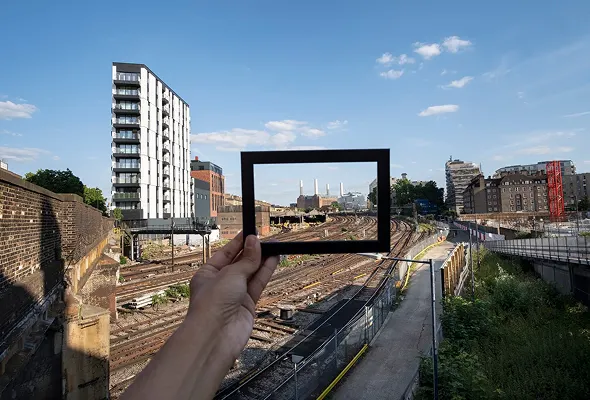

Planning and budgeting for a construction project is not a one‑time exercise but an ongoing process. From defining scope and feasibility to monitoring budgets and managing risks, each step contributes to project success. A well‑structured plan not only saves money but also reduces stress, improves collaboration, and ensures your vision becomes reality within time and cost limits.
We’d love to hear your thoughts! Share your feedback, ideas, or questions below — your comment helps keep the conversation going.
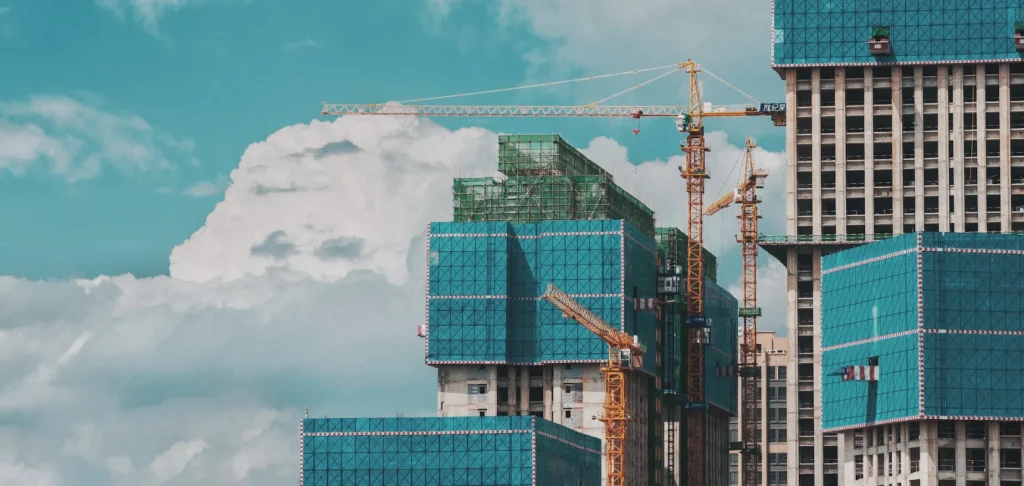
Construction sites are fast-paced, complex environments where multiple teams, heavy machinery, and critical deadlines come together. With so much activity, risks are an unavoidable part...
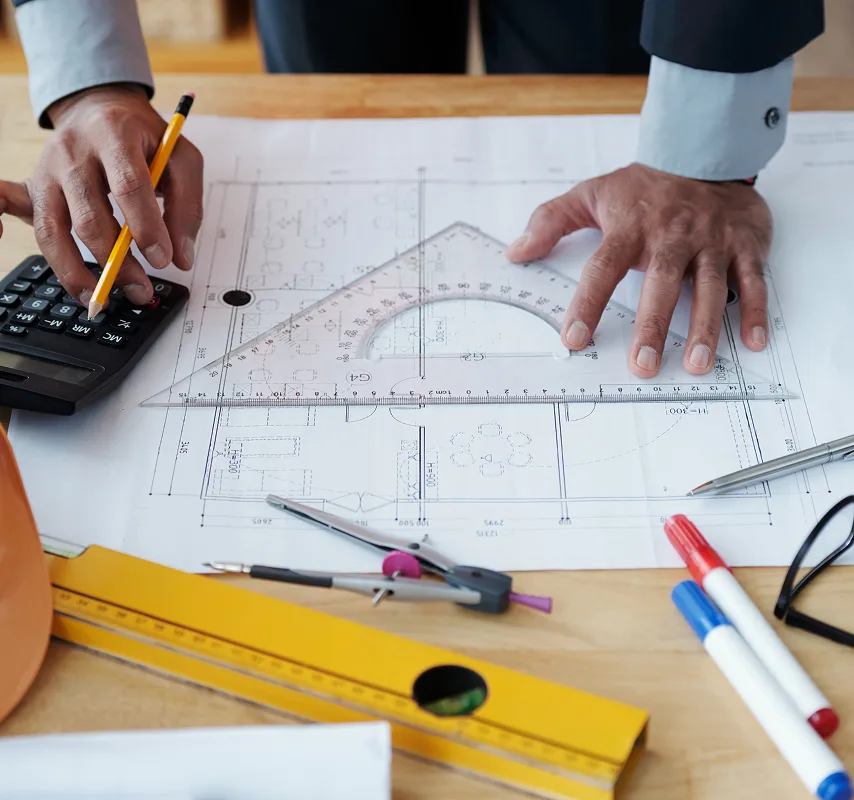
Old structures are more than just bricks and mortar — they are living records of history, culture, and craftsmanship. Whether it’s a century-old heritage house,...
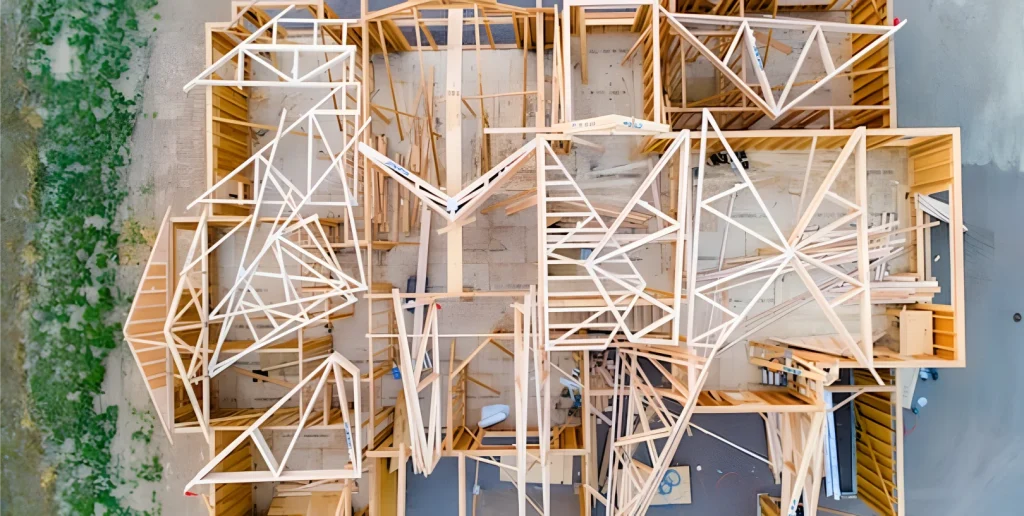
In the fast-paced world of construction, modular building is rapidly emerging as one of the most transformative approaches. Unlike traditional construction, which requires every stage...
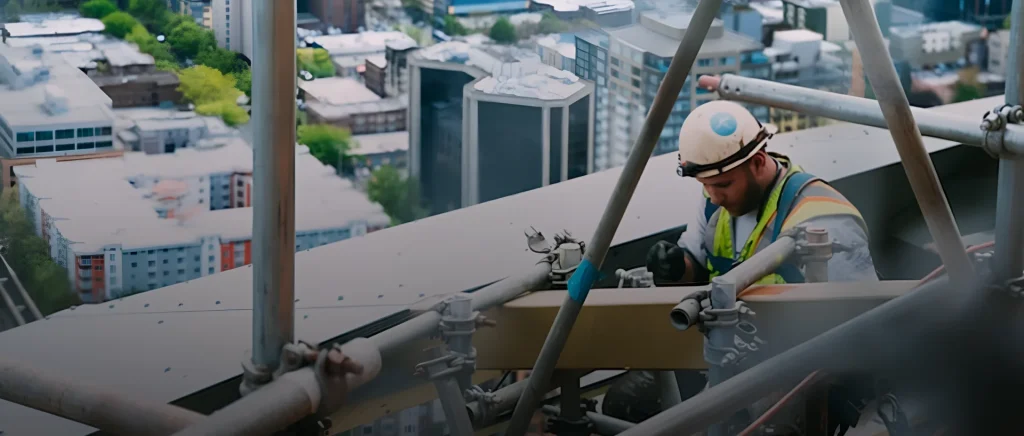
Introduction A construction site is one of the most dynamic and high-risk workplaces. Without strict safety measures, even minor oversights can lead to major accidents,...
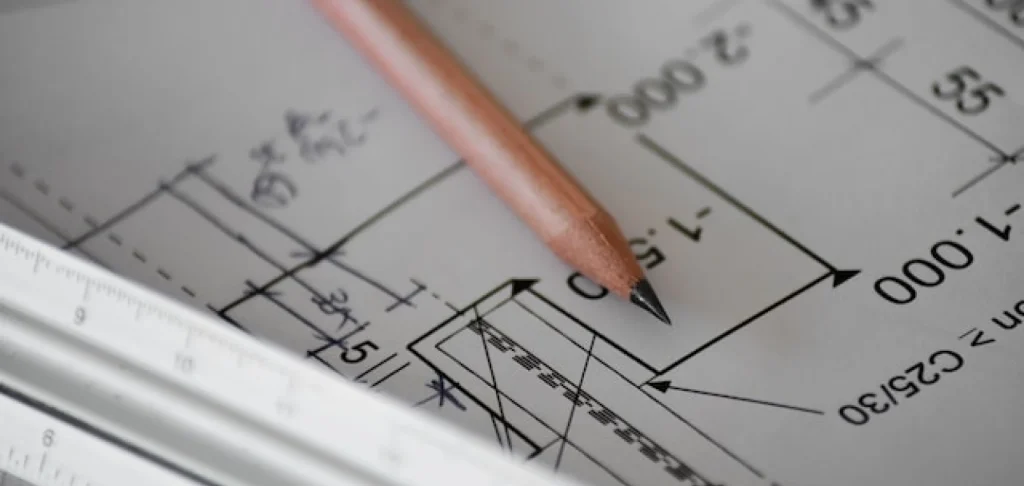
On-site productivity is the single biggest lever to reduce cost, shorten schedules, and improve quality on construction projects. Small daily improvements — clearer briefings, better...
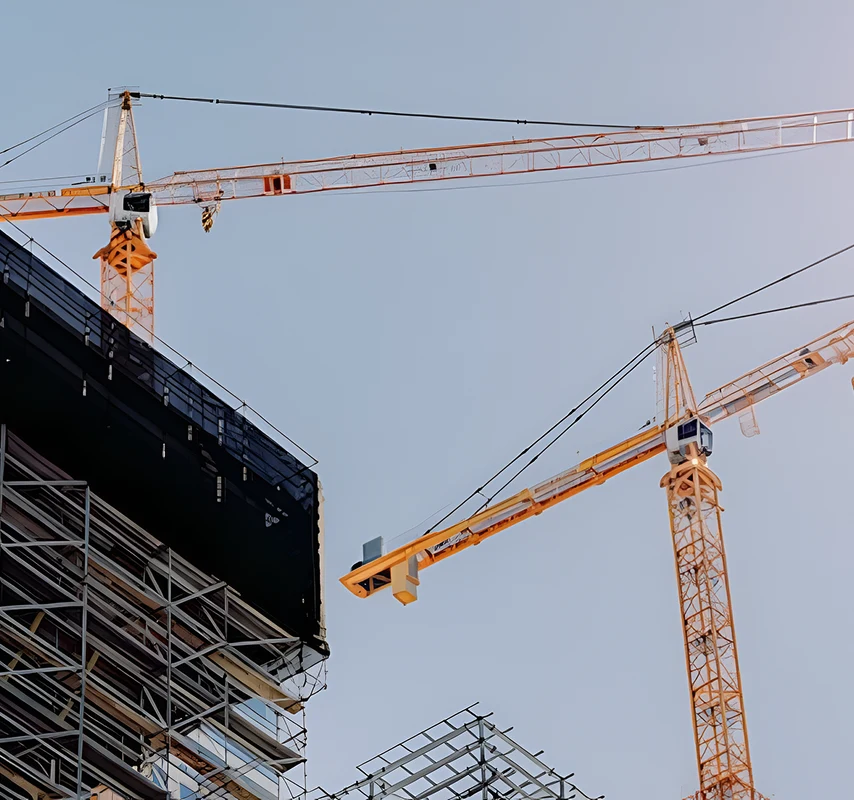
Every successful building project begins long before construction starts. Smart planning helps avoid delays, control costs, reduce risks, and deliver lasting value. By combining structured...
Comments (03)
Michael Trent
- 12 Mar, 2024 10:22am
Orion Construction’s insights are spot on. Budget planning was the hardest part of my own this level of guidance earlier. The breakdown of cost categories, plus the importance of contingency planning, is something most people overlook.
Luca Bianchi
- 19 Mar, 2024 12:30am
Hi Michael — thanks so much! We’re glad the breakdown helped. If you’d like, we can walk you through a personalized budget plan for your next project — just send us a message.
Saro Philipson
- 16 Mar, 2024 3:45pm
Excellent breakdown and very readable. The section about engaging professionals early on really stood out for me. I hired an architect late in the process and it ended up costing more time and money. If I had read this blog earlier, I would’ve handled the project phases differently. It’s a fantastic resource, especially for homeowners and small business owners starting their first build.
Lina Kowalski
- 24 Mar, 2024 11:08am
I’m currently in the planning phase of a school renovation project, and this blog post gave me so much clarity. I’ve been overwhelmed by how many moving parts are involved, especially when budgeting across departments. The suggestion to break costs into smaller categories and revisit them often is extremely useful.