Managing Construction Site Risks
Construction sites are fast-paced, complex environments where multiple teams, heavy machinery, and critical deadlines come together. With so much activity, risks are an unavoidable part...

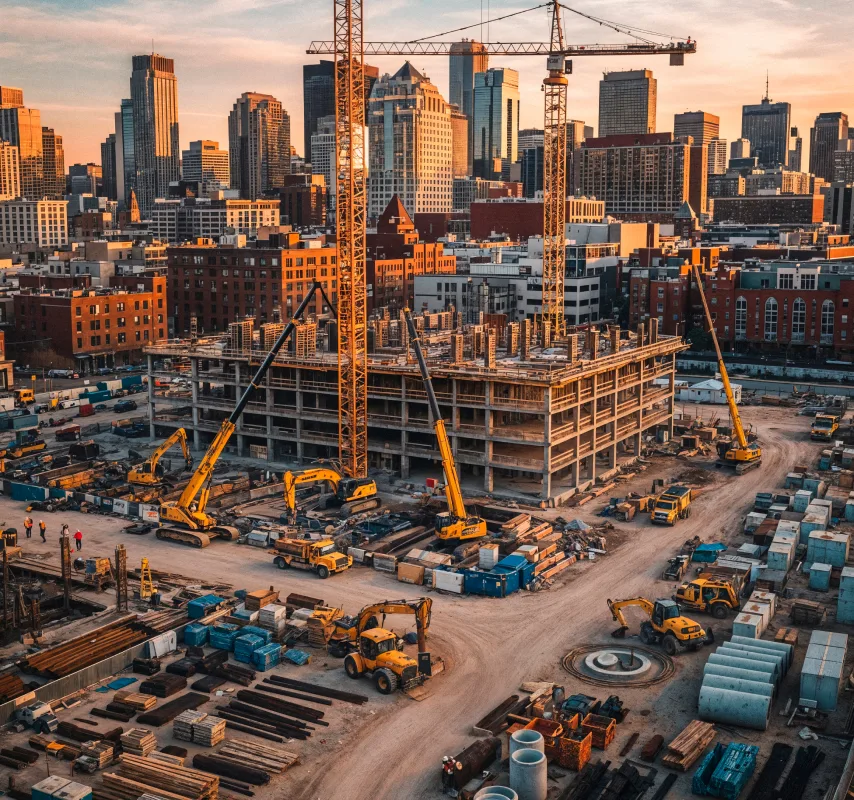
Renovating a historic building is more than just a construction project—it’s a journey of preservation and responsibility. These buildings carry architectural, cultural, and historical value that must be respected while still adapting them to modern needs. The process, however, can be complex, as it involves balancing creativity, compliance, and conservation. A thoughtful approach ensures you protect the building’s heritage while making it functional for today.
1. Do Research the History
Understand the building’s original design, cultural context, and architectural details. Old blueprints, photographs, and local archives can guide your restoration to ensure historical accuracy.
2. Do Work with Specialists
Hire architects, engineers, and contractors experienced in heritage renovation. They know how to preserve original features while ensuring modern safety standards are met.
3. Do Use Authentic Materials
Whenever possible, use materials that match or replicate the originals—such as stone, wood, or period-accurate finishes. This keeps the character of the building intact.
4. Do Prioritize Safety and Stability
Historic buildings often come with hidden structural issues. Reinforce foundations, roofing, and walls while keeping the aesthetics consistent with the original style.
5. Do Stay Compliant with Regulations
Historic renovations often require approvals from heritage or preservation boards. Following these rules not only avoids legal trouble but also maintains cultural integrity.
1. Don’t Rush the Process
Historic restoration is not a quick project. Rushing may lead to mistakes, overlooked details, and irreversible damage to original features.
2. Don’t Replace What Can Be Restored
Avoid tearing down original windows, doors, or moldings if they can be repaired. Preserving original craftsmanship adds authenticity and long-term value.
3. Don’t Ignore Hidden Issues
Water damage, outdated wiring, or weak structures often hide beneath the surface. Skipping inspections can lead to costly surprises later.
4. Don’t Compromise Character for Convenience
Modern upgrades like HVAC systems or new layouts should be integrated carefully. Avoid choices that strip away the unique charm of the building.
5. Don’t Overlook Sustainability
Historic doesn’t mean outdated. Use eco-friendly insulation, efficient lighting, and water-saving systems in ways that respect the building’s heritage.
“Renovating a historic building is not just about construction—it’s about storytelling. Each beam, stone, and window carries history, and our job is to preserve that story while making it part of the future.”

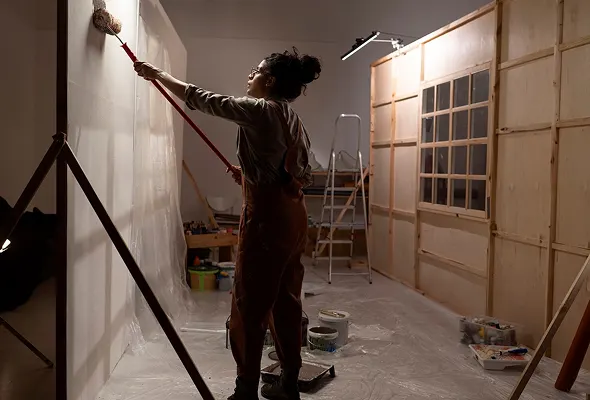
| Dos (Do this) | Don’ts (Avoid this) |
|---|---|
| Carry out archival research and record findings/td> | Skip historic research and assume original form |
| Hire conservation specialists early | Use only general contractors with no heritage skills |
| Use compatible materials and traditional methods | Use impermeable or incompatible modern materials |
| Test and stabilise structure before finishes | Cover up defects with cosmetic fixes |
| Integrate modern services discreetly & reversibly | Install intrusive systems that harm original fabric |
Renovating a historic building rewards patience, deep research, and respect for original craftsmanship. By following best practices — working with specialists, documenting everything, prioritising repair over replacement, and integrating modern systems sensitively — you preserve value and character while making the space useful for today. Start with a thorough condition survey and a conservation-minded brief, and budget for surprises.
We’d love to hear your thoughts! Share your feedback, ideas, or questions below — your comment helps keep the conversation going.

Construction sites are fast-paced, complex environments where multiple teams, heavy machinery, and critical deadlines come together. With so much activity, risks are an unavoidable part...
Old structures are more than just bricks and mortar — they are living records of history, culture, and craftsmanship. Whether it’s a century-old heritage house,...
In the fast-paced world of construction, modular building is rapidly emerging as one of the most transformative approaches. Unlike traditional construction, which requires every stage...
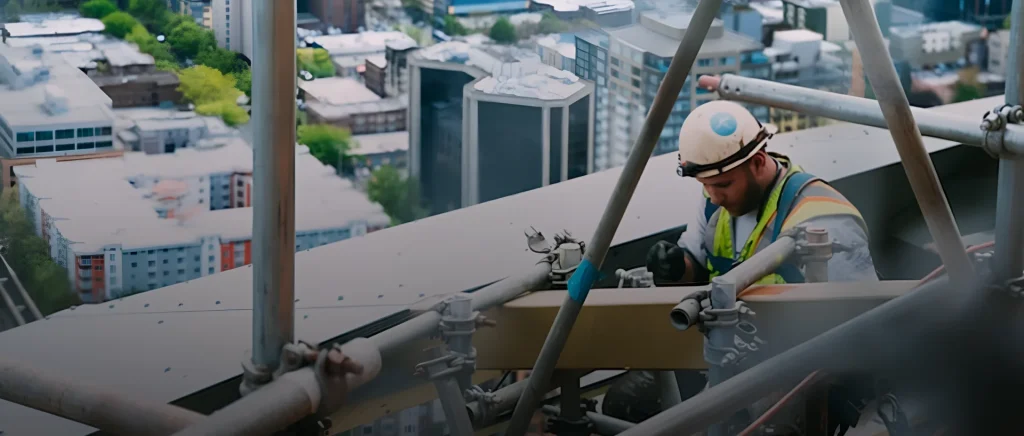
Introduction A construction site is one of the most dynamic and high-risk workplaces. Without strict safety measures, even minor oversights can lead to major accidents,...
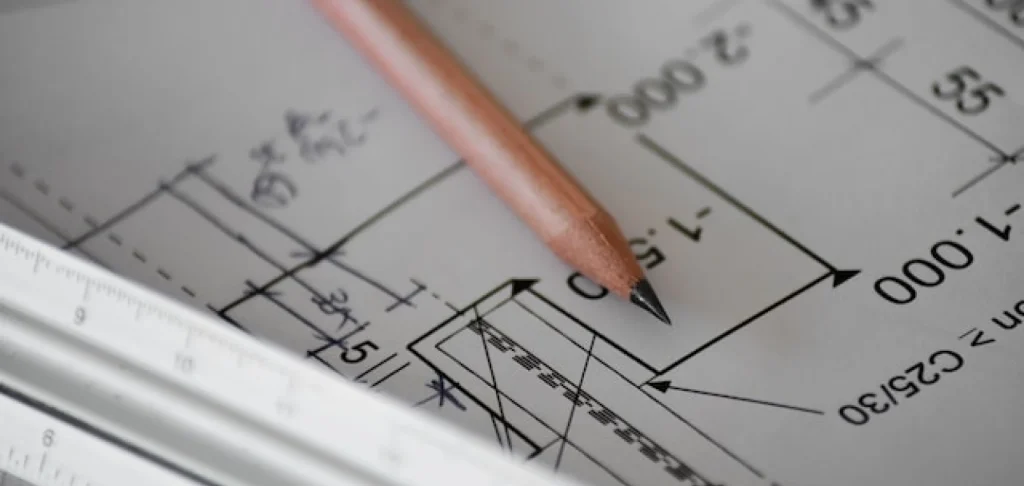
On-site productivity is the single biggest lever to reduce cost, shorten schedules, and improve quality on construction projects. Small daily improvements — clearer briefings, better...
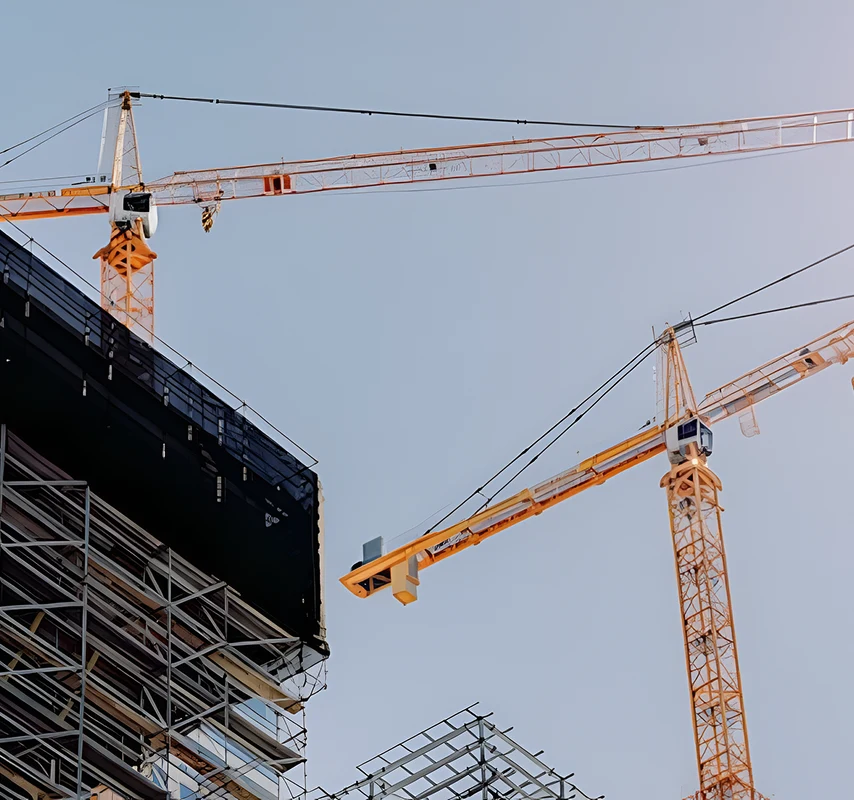
Every successful building project begins long before construction starts. Smart planning helps avoid delays, control costs, reduce risks, and deliver lasting value. By combining structured...
Comments (03)
Michael Trent
- 12 Mar, 2024 10:22am
Orion Construction’s insights are spot on. Budget planning was the hardest part of my own this level of guidance earlier. The breakdown of cost categories, plus the importance of contingency planning, is something most people overlook.
Luca Bianchi
- 19 Mar, 2024 12:30am
Hi Michael — thanks so much! We’re glad the breakdown helped. If you’d like, we can walk you through a personalized budget plan for your next project — just send us a message.
Saro Philipson
- 16 Mar, 2024 3:45pm
Excellent breakdown and very readable. The section about engaging professionals early on really stood out for me. I hired an architect late in the process and it ended up costing more time and money. If I had read this blog earlier, I would’ve handled the project phases differently. It’s a fantastic resource, especially for homeowners and small business owners starting their first build.
Lina Kowalski
- 24 Mar, 2024 11:08am
I’m currently in the planning phase of a school renovation project, and this blog post gave me so much clarity. I’ve been overwhelmed by how many moving parts are involved, especially when budgeting across departments. The suggestion to break costs into smaller categories and revisit them often is extremely useful.