Managing Construction Site Risks
Construction sites are fast-paced, complex environments where multiple teams, heavy machinery, and critical deadlines come together. With so much activity, risks are an unavoidable part...
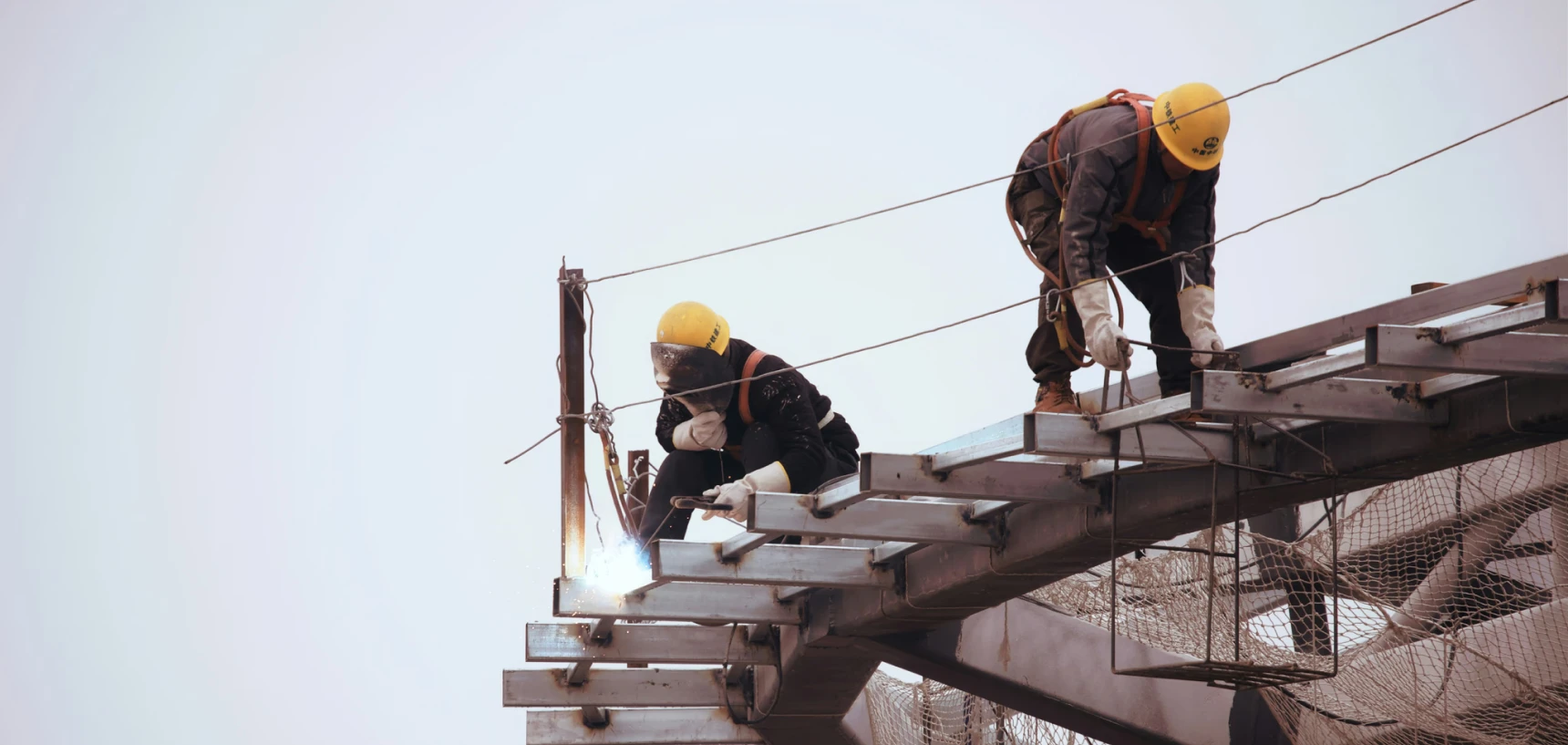

Technology has stopped being a “nice to have” in construction — it’s now the backbone of safer, faster, greener, and more predictable projects. From project inception to handover and operations, modern tools reduce uncertainty, compress schedules, and shift the industry from reactive trades to proactive systems thinking. This blog explores the major technologies reshaping construction today, how they’re used, the benefits and challenges, and quick practical tips for teams wanting to adopt them.
BIM converts drawings into a live, data-rich model that everyone — architects, engineers, contractors, owners — can use. Digital twins extend BIM into the operational phase, mirroring the real asset with live sensor and maintenance data.
Fewer delays, trimmed contingency, and smarter FM (facility management). A project that integrates BIM from design through operation unlocks savings over the building lifecycle, not just during construction.
Before diving into budgets, evaluate whether your project is feasible. A feasibility study assesses site conditions, regulatory requirements, and market factors. It answers crucial questions: Is the land suitable? What are the zoning restrictions? How will utilities be managed? This step ensures your budget isn’t wasted on a plan that can’t be built. By understanding external factors upfront, you save time, money, and avoid painful redesigns later.
Automation moves physically repetitive or dangerous work away from humans and into machines — drones for inspection, robots for repetitive tasks, and 3D printers for formwork or small structural elements. This reduces human risk, enables 24/7 work cycles in constrained tasks, and lets highly-skilled workers focus on complex decisions.
The Internet of Things (IoT) turns static sites into connected environments. Wearable tags, asset trackers, environmental sensors (dust, humidity), and machine telematics stream continuous data to dashboards. This real-time visibility powers safer sites (proximity alerts, fatigue monitoring), better resource allocation, and evidence for claims/analytics.
“Technology in construction doesn’t replace the craftsman — it amplifies their skill. By weaving together digital models, sensors, and automation we turn assumptions into measured insight, cut rework and risk, compress schedules, and deliver buildings that perform longer and cost less to operate — a smarter way to build for people and the planet.”
AI turns mountains of historical and live data into actionable insights — faster estimates, optimized schedules, and risk flags before issues occur. It’s the decision accelerator for complex, variable projects.
AI supports experienced teams — it doesn’t replace domain knowledge. The best outcomes come when data scientists and field experts collaborate.
Sustainability technologies are both regulatory responses and productivity drivers. Offsite prefabrication and modular construction reduce on-site waste, shorten schedules, and improve quality. New materials and energy modeling tools reduce embodied carbon and operational energy costs — critical as owners demand green credentials.
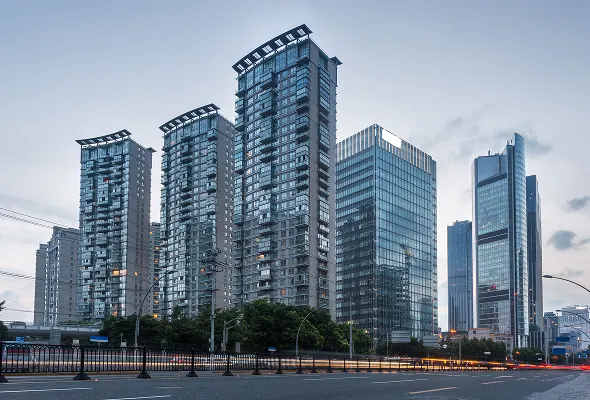
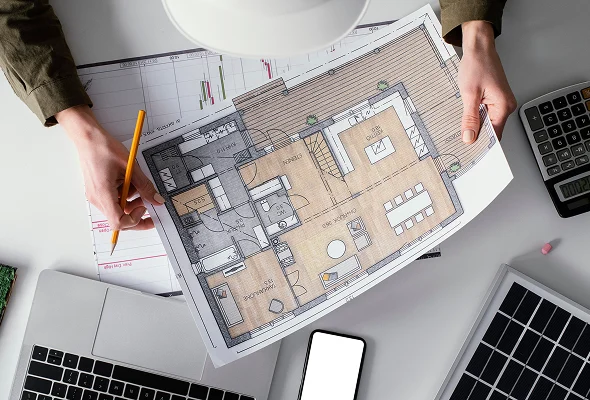
Sustainability technologies are both regulatory responses and productivity drivers. Offsite prefabrication and modular construction reduce on-site waste, shorten schedules, and improve quality. New materials and energy modeling tools reduce embodied carbon and operational energy costs — critical as owners demand green credentials.
Sustainability technologies are both regulatory responses and productivity drivers. Offsite prefabrication and modular construction reduce on-site waste, shorten schedules, and improve quality. New materials and energy modeling tools reduce embodied carbon and operational energy costs — critical as owners demand green credentials.
Technology in construction is not a single product — it’s an ecosystem that amplifies good process and flattens out uncertainty. When teams combine BIM and digital twins, apply automation where it reduces risk, instrument work with IoT, and use AI to turn data into foresight, projects become faster, safer, cheaper, and greener. The practical route to success is incremental: pick one pain point, pilot a solution with real metrics, document ROI, then scale. The future-built environment will be less chaotic and more intentional — and tech is the scaffolding that will get us there.
We’d love to hear your thoughts! Share your feedback, ideas, or questions below — your comment helps keep the conversation going.
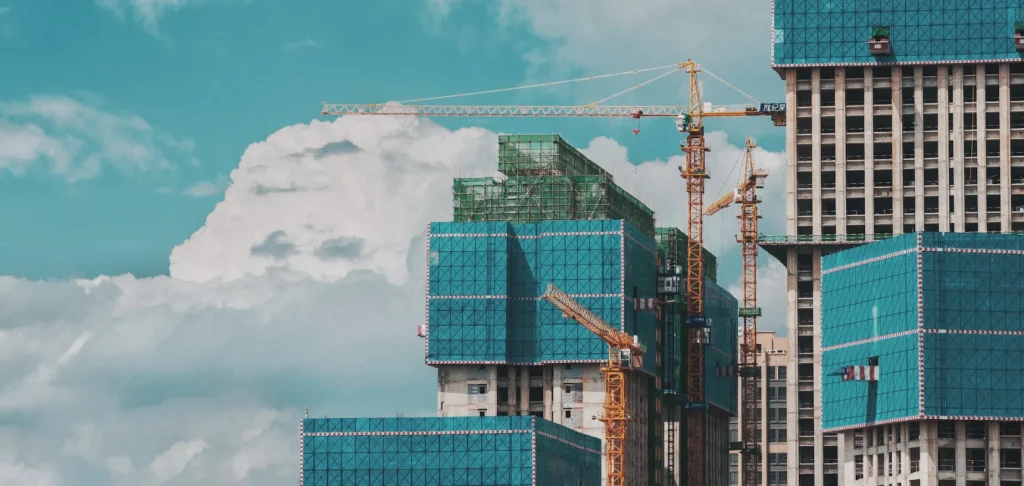
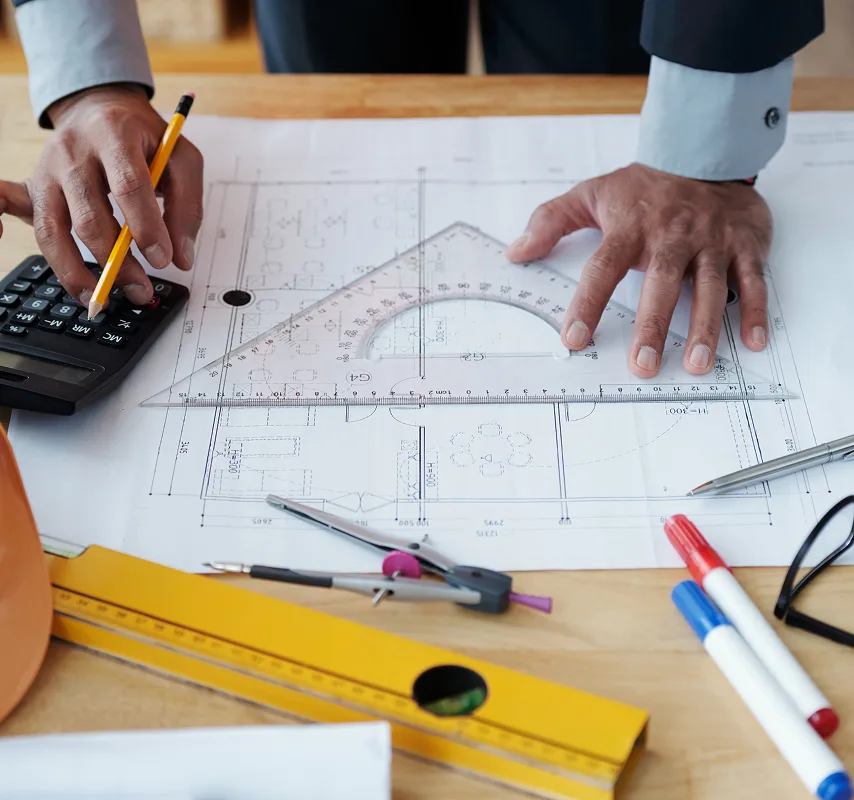
Construction sites are fast-paced, complex environments where multiple teams, heavy machinery, and critical deadlines come together. With so much activity, risks are an unavoidable part...
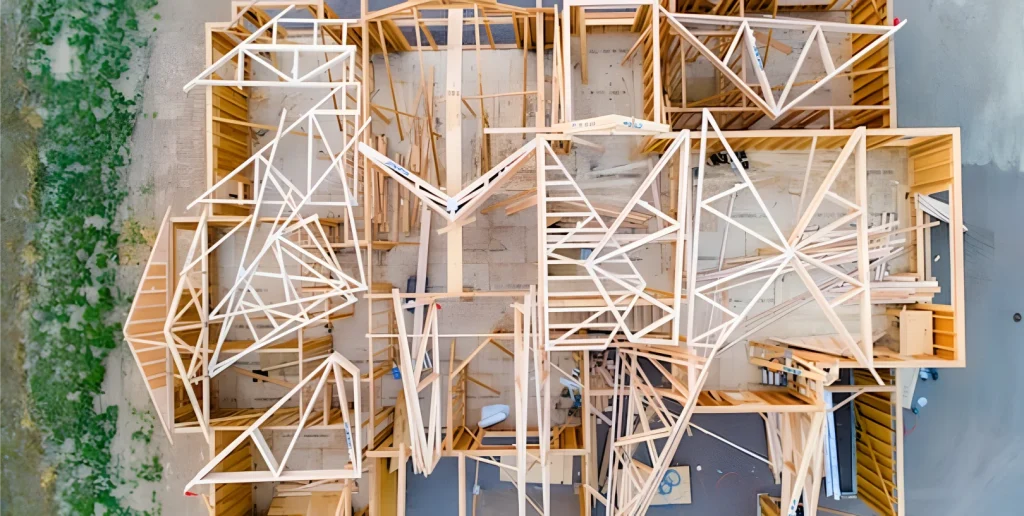
Old structures are more than just bricks and mortar — they are living records of history, culture, and craftsmanship. Whether it’s a century-old heritage house,...
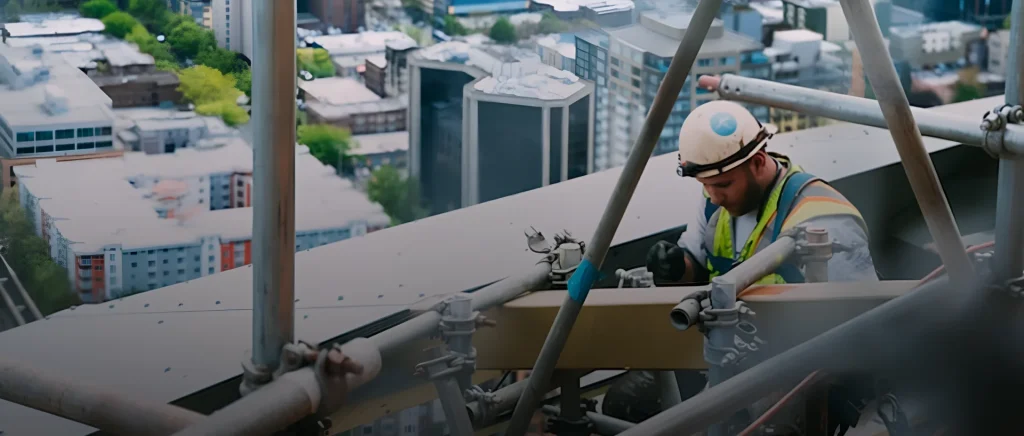
In the fast-paced world of construction, modular building is rapidly emerging as one of the most transformative approaches. Unlike traditional construction, which requires every stage...
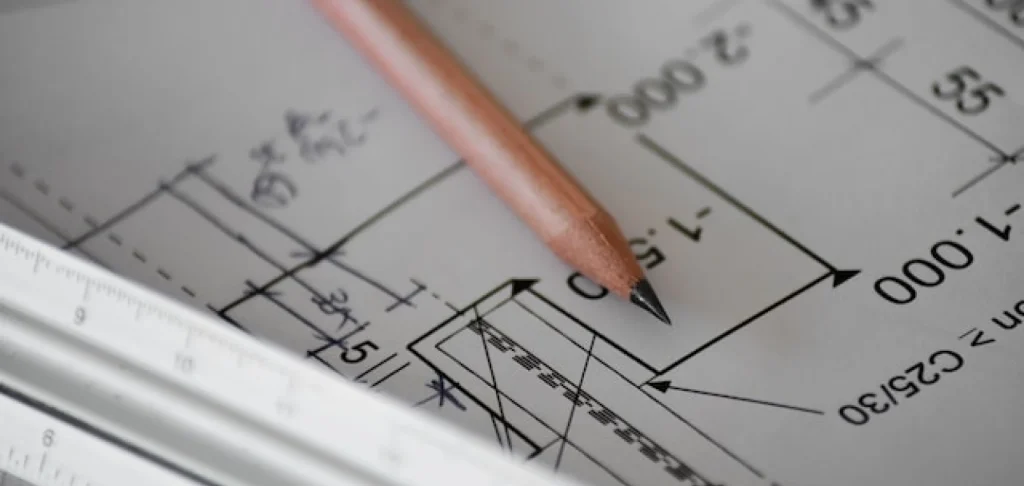
Introduction A construction site is one of the most dynamic and high-risk workplaces. Without strict safety measures, even minor oversights can lead to major accidents,...
On-site productivity is the single biggest lever to reduce cost, shorten schedules, and improve quality on construction projects. Small daily improvements — clearer briefings, better...
Every successful building project begins long before construction starts. Smart planning helps avoid delays, control costs, reduce risks, and deliver lasting value. By combining structured...
Comments (03)
Michael Trent
- 12 Mar, 2024 10:22am
Orion Construction’s insights are spot on. Budget planning was the hardest part of my own this level of guidance earlier. The breakdown of cost categories, plus the importance of contingency planning, is something most people overlook.
Luca Bianchi
- 19 Mar, 2024 12:30am
Hi Michael — thanks so much! We’re glad the breakdown helped. If you’d like, we can walk you through a personalized budget plan for your next project — just send us a message.
Saro Philipson
- 16 Mar, 2024 3:45pm
Excellent breakdown and very readable. The section about engaging professionals early on really stood out for me. I hired an architect late in the process and it ended up costing more time and money. If I had read this blog earlier, I would’ve handled the project phases differently. It’s a fantastic resource, especially for homeowners and small business owners starting their first build.
Lina Kowalski
- 24 Mar, 2024 11:08am
I’m currently in the planning phase of a school renovation project, and this blog post gave me so much clarity. I’ve been overwhelmed by how many moving parts are involved, especially when budgeting across departments. The suggestion to break costs into smaller categories and revisit them often is extremely useful.